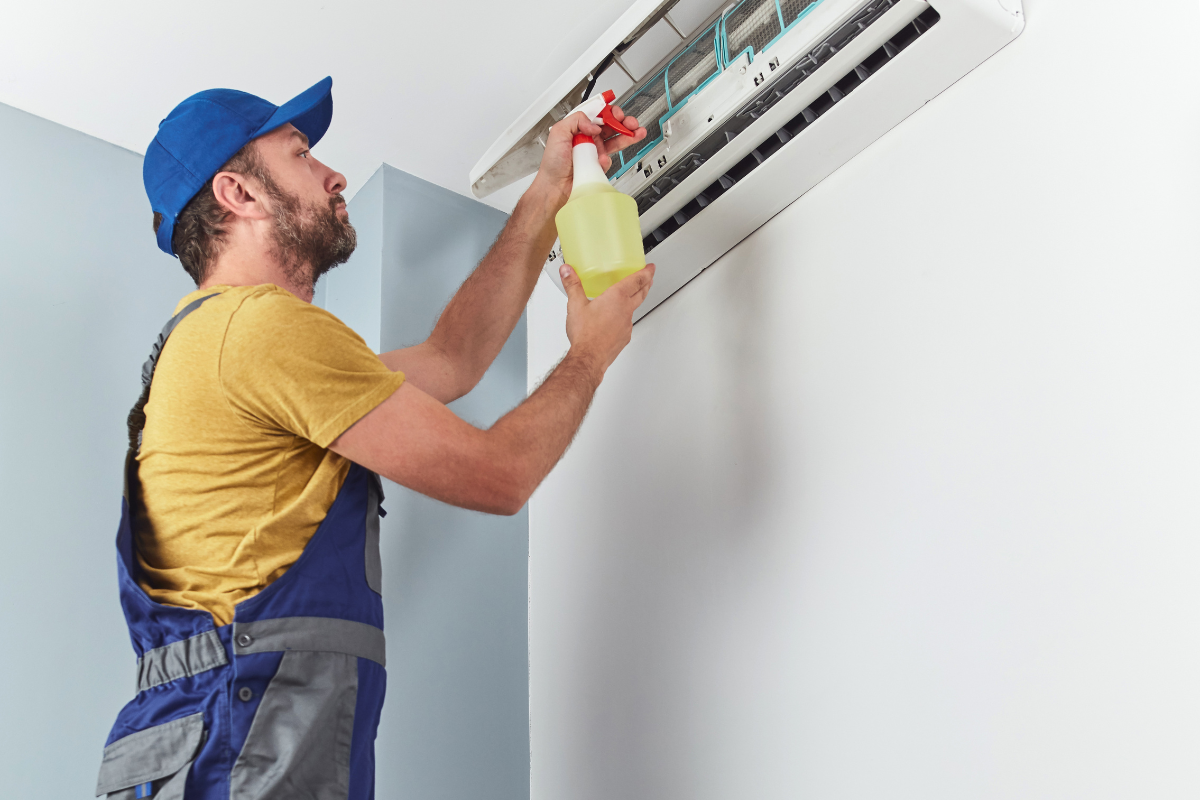
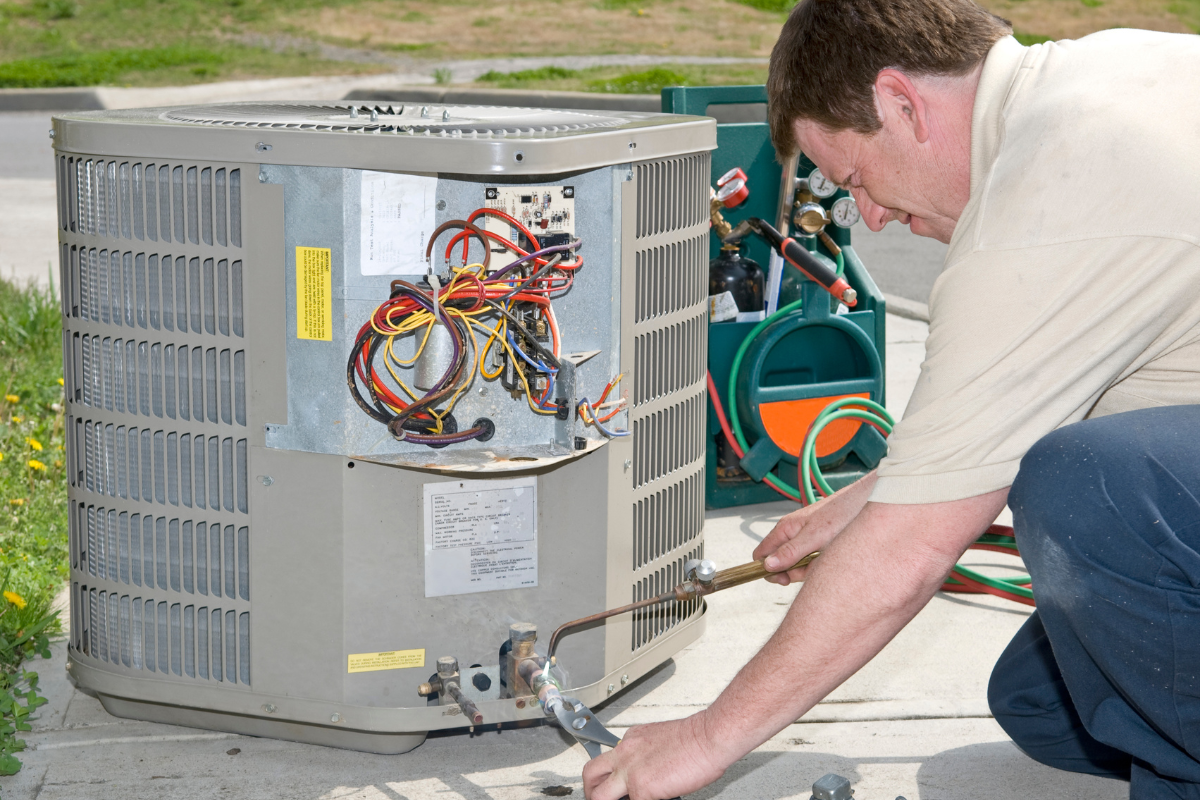
Heat doesn't bargain. When the thermostat climbs up past 85 and your a/c gives up, every min stretches. I have actually taken telephone calls at 1 a.m. from families trying to calm a fussy infant in a hot nursery and from residential or commercial property managers with failing roof systems over an active restaurant. In those moments, the difference between an excellent HVAC company and an excellent one is determined in hours, not marketing mottos. The trick is making a smart choice swiftly, without obtaining shed by surprise costs or a band-aid solution that fails once again next week.
This guide distills what issues when you need emergency AC repair fast. It's based in years of collaborating with service technicians, dispatchers, and house owners in summer heat waves. The details below aid you vet an HVAC company under stress and set expectations so you get awesome air recovered, securely and at a fair price.
What "emergency" actually means
Not every break down certifies as an emergency. An emergency is any loss of cooling that produces a wellness or security risk, or a crucial interruption to business procedures. Elderly homeowners, infants, and anyone with respiratory conditions go to higher threat in a hot home. Indoor temperatures can get to the mid-90s within a couple of hours in straight sunlight, specifically in top-floor apartments with poor insulation. If you have family pets, bear in mind pet cats and pet dogs struggle to cool themselves above about 85 levels, and garages or sun parlors can heat up faster than the primary living area.
For companies, a failed air conditioner can shut down a data storage room, overheat cooking area lines, or breach temperature requirements for food storage and drugs. In these instances, a real emergency response means the firm triages your telephone call in advance of routine upkeep and dispatches the first offered qualified tech.
If you're taking care of discomfort instead of threat, a firm that uses same-day or next-day AC service could be enough. Make clear necessity up front, and you'll obtain even more truthful scheduling and pricing.
How to triage the circumstance before you call
A couple of fast checks can save you cash and time. I have actually seen lots of "dead" systems return to life after a tripped breaker was reset or a blocked filter was exchanged. Take 5 minutes to dismiss basic issues:
- Check power and breakers. Confirm the thermostat screen is on. Look at the air conditioner and air trainer breakers in the electrical panel and reset if stumbled once. If a breaker journeys once again quickly, stop and require service. Inspect the air filter. If it's noticeably clogged up, change it. Significantly restricted air movement can create cold or short biking, which looks like a system failure. Look at the exterior system. Clear debris around the condenser. If the follower isn't spinning however you listen to a humming audio, the capacitor may misbehave, an usual and quick repair. Check the thermostat settings. Guarantee it gets on Cool with the follower readied to Car and a setpoint at the very least 3 levels below area temperature. If you recently altered batteries, verify they are seated properly. Examine the condensate line. High-efficiency air handlers commonly have a float button that journeys when the drain line clogs. If you see water around the device or the overflow pan is full, shut off power and call. You may stop water damage by identifying this early.
If these checks don't aid, record essential hints prior to you call an HVAC company: any error codes on the thermostat, unusual scents, sounds like grinding or screeching, and whether the interior or exterior unit is running. A succinct description aids the dispatcher course the right technician with the best parts.
The initially phone call: signals that divide specialists from pretenders
The first two minutes with a dispatcher tell you a great deal. Listen for structure. A strong HVAC company has a clear intake procedure, confirms your call and address, asks about hazards and the sort of system, then gives an honest time home window and charge disclosure. If the discussion really feels hurried or incredibly elusive, keep calling.
Ask straight concerns and keep in mind the self-confidence and detail in the answers. A great dispatcher or specialist on-call doesn't guarantee miracles, but they describe alternatives, timing, and pricing without any fluff. They'll additionally advise you on safety and security and basic steps to protect your equipment while waiting, like switching off an icy system to let ice melt.
What to ask, quickly, prior to booking
When you're hot and short promptly, focus on the basics. Obtain these answers in a single brief exchange:
- Response time window. Ask, "Can you be right here within X hours?" A major emergency AC repair service will certainly give you a sensible window and stay with it. Fees and after-hours rates. Clarify the service telephone call fee, analysis charge, any type of after-hours premium, and how fixing expenses are quoted. Ask whether they waive the analysis fee with repair. Licensing and insurance policy. Validate they are accredited for HVAC repair and lug liability and employees' comp. Trustworthy companies address without hesitation. Warranty on repairs. Normal labor service warranty ranges from 30 to 90 days for emergency situation work. Part service warranties differ by maker, frequently 1 to 5 years. Ask what is covered, and in creating if possible. Stocked parts and make/model familiarity. Share your system brand and age. If you have actually got a typical 3- to 5-ton residential split system, many components like capacitors, contactors, and integrates should be on the truck. For heat pumps or variable-speed systems, verify they service your brand.
If the responses feel unclear or slippery, keep calling. In a warm front, the very best HVAC business keep interaction sharp due to the fact that they know every minute counts.
Reading on-line evaluations without dropping a bunny hole
You do not have the deluxe of a mid-day of study. Check quickly and seek patterns, not excellence. A couple of current thorough reviews with specifics regarding emergency AC repair carry more weight than a web page of generic praise. References of precise arrival windows, clean workplace, and clear rates are reliable indications. Watch out for collections of issues about bait-and-switch pricing or pushy sales strategies. A number of adverse testimonials are typical; a theme is not.
Local online forums or community teams can aid in a pinch, but treat suggestions like leads, not scripture. The most effective HVAC company for a next-door neighbor's tune-up may not stand out during the night and weekend triage.
What certified emergency situation professionals in fact do on arrival
You needs to anticipate a regimented process, even at midnight. The specialist must:
- Confirm the trouble and walk through the signs and symptoms with you. They'll ask concerns regarding noises, smells, and when the problem started. Inspect the thermostat, air trainer, and outdoor system in sequence. Great pros comply with the air flow and the refrigerant circuit realistically, not at random. Test elements with meters, not guesses. Expect readings of capacitors, contactors, blower motors, and voltage. For refrigerant concerns, a technology needs to affix evaluates, measure stress and temperature levels, and compute superheat/subcooling. Guesswork brings about repeat calls. Explain searchings for in plain language. If the capacitor is inflamed and out of spec, they'll reveal you. If the blower electric motor is taken, they'll show the resistance or failed bearings. Provide a composed or made a list of electronic quote before proceeding. It ought to detail part, labor, any type of after-hours costs, and warranty.
If a technology starts replacing parts without diagnosis, or won't show the readings that directed their conclusion, press pause. A hurried fix can cost extra in the future, particularly with cooling agent circuits and variable-speed systems.
Common emergency situation failings and reasonable repair work timelines
Some failings are quick repairs, others need parts runs or next-day supply residence pick-ups. Based upon regular household systems:
- Failed capacitor. One of one of the most common summer season failures. Several technologies carry global or model-matched capacitors. Repair time: 20 to 45 minutes. Contactor or scorched wiring. Also usual. Repair time: 30 to 60 minutes, depending upon damages and access. Blower electric motor failure. Single-speed electric motors are usually stocked. ECM or variable-speed motors may need buying by model and serial numbers. Repair time: 1 to 2 hours if stocked; next business day if unique order. Condensate drain clog. Clearing up a clog and purging the line takes 30 to 60 minutes. If there's water damage, mitigation may be needed. Refrigerant leak. A slow-moving leakage at a Schrader core or braze joint can in some cases be repaired exact same day. Coil or line set leaks may require components and a return check out. Beware if someone proposes completing refrigerant without leak screening, particularly if this taken place last season. Frozen evaporator coil. Usually connected to airflow limitations or low cooling agent. The system requires to be powered to thaw, which can take 2 to 8 hours relying on climate. Several techs start defrosting while addressing airflow or inspecting for leakages, after that return to charge and test.
When a component isn't available after-hours, the most effective companies maintain the system, recommend on short-lived cooling actions, and prioritize you for the moment the supply residence opens.
Pricing honesty and the catches to avoid
Emergency AC repair costs extra after-hours. That's reasonable. What you want is clear framework. Three designs are common:
- Flat analysis plus repair service. You pay a dealt with analysis charge and a menu price for every repair. This reduces surprises however make sure the food selection is affordable, not inflated. Time and products. Per hour price plus components. Honest and versatile, but ask for a not-to-exceed estimate or thresholds that set off a call. Tiered membership rates. Clients on upkeep strategies obtain reduced emergency fees. This can be a bargain if the strategy is genuine and the discount uses immediately.
Red flags consist of vague "trip fees" stacked in addition to diagnostics, reclassification of standard fixings as costs without description, and pressure to change the system without a clear failing. I've seen quotes for whole system replacements pressed as a result of a damaged capacitor. Substitute can be the right get in touch with systems over 12 to 15 years with significant failures, however a business should provide repair work and substitute scenarios with information: age, SEER rating, expense of repair work, estimated remaining life, and energy savings.
Safety and building defense while you wait
A busted air conditioning can cascade right into other issues. Take a few safety measures:
- Turn off a system that is short biking, making grinding noises, or producing a burning odor. You can stop a small electric mistake from causing a motor failure or fire. For icy coils, shut the system down and run the fan On to speed up thawing, if recommended by the specialist. Place towels near the air trainer to catch drips. If water is present, secure ceilings and floors. A plugged condensate line over a completed ceiling can saturate drywall swiftly. Consider turning off the air trainer at the breaker if water is pooling. For multi-story homes, close blinds and utilize cross-ventilation purposefully during cooler hours. Maintain stove and dryers off to minimize interior warm load. In high heat and moisture, relocate vulnerable passengers to a cooler space or a next-door neighbor's home temporarily if you can. Don't await the space to come to be unsafe.
The value of picking a company before the crisis
The ideal time to discover an HVAC company is when you do not need one. A seasonal AC service check out costs much less than one emergency situation phone call and offers you a relationship with a team that understands your system. The technician records model numbers, refrigerant kind, electric motor and blower specs, and can flag parts that are end-of-life. When you ask for emergency ac repair later on, they're not flying blind.
Many homeowners wait up until failure, after that shuffle. If that's you today, bookmark the business you liked even if you do not hire them now. Following springtime, routine preventative maintenance. The information is not extravagant, but it matters: clean coils can lower energy usage by 5 to 15 percent, and a $20 filter can prevent a $600 blower motor failure.
Licenses, insurance, and what they secure you from
Legitimate HVAC services operate with state-required licensing, which differs by state or district but usually includes evidence of experience, examinations, and continuing education. Request the permit number and confirm it on the state website if you have time. Insurance policy secures your home and the employees on website. If a ladder falls or a tech is hurt on your deck, workers' comp avoids you from being the default insurer. If a miswired contactor damages your compressor, responsibility protection steps in.
Unlicensed drivers commonly price estimate reduced telephone call costs. You'll see the expense later on in repeat brows through, incorrect cooling agent handling, or code offenses. Refrigerant handling particularly needs EPA Section 608 qualification in the USA. A pro will record and consider refrigerant, not vent it or "eyeball" a fee by feel.
Communication throughout the repair service: what you should hear
Clear interaction builds trust and speeds resolution. Expect the technician to describe:
- The origin, not just the damaged component. "The capacitor stopped working as a result of heat and voltage variations. Voltage at the contactor is within range, so the part most likely gotten to end of life. We'll install a rated component and check existing draw." The tests performed. "We measured the run capacitor at 23 microfarads; specification is 35 plus or minus 5 percent." Options if several problems exist. "The blower electric motor bearings are noisy however not taken. We can change the capacitor today and monitor, or replace the motor now to avoid a second check out." Preventive steps. "Your filter port is attracting unfiltered air around the sides. Securing the return with a gasket will certainly reduce dust on the coil." Final confirmation. "Subcooling is 10 levels, right in spec for this unit, and supply air delta-T is 17 levels. You must really feel constant cooling."
If you do not comprehend a term, ask. A skilled technology can convert without condescension. Great business reward that behavior.
Parts quality and why it matters under pressure
In emergencies, substitutions occur. Universal capacitors and contactors are great when they match rankings and top quality. What you wish to avoid is the most inexpensive feasible component on a system that requires details efficiency, especially variable-speed ECM motors and proprietary control boards. For those, OEM or the right cross-reference component deserves the delay. An undersized or off-spec component may "work" long enough to get the tech out the door, then stop working under tons during the following warm wave.
Ask what brand of replacement part is being set up and whether it matches the initial specs. Sensible techs anticipate that question. Maintain the old part if it's safe to do so, and take an image of tags for your records.
When repair work isn't the right answer
Sometimes the sincere telephone call is a short-lived fix and an organized substitute. Choose replacement when the unit goes to or beyond common life span, the repair expense is a high portion of replacement, and performance gains are meaningful. For standard single-stage systems, 12 to 15 years is the common range, though well-kept systems can surpass that. If a compressor stops working on a 14-year-old system using R-22, you're commonly far better off changing the system instead of moneying a major repair work with minimal rack life.
A trustworthy HVAC company will show you both paths: immediate fixing and a replacement proposal with load computations, tools alternatives, and utility discount info. Beware of a one-note sales pitch without diagnostics.
After the repair: validating performance and securing your warranty
Don't thrill repayment before you've verified cooling performance. You're trying to find steady operation:
- Supply air 14 to 22 degrees cooler than return air after 10 to 15 mins of operation, depending on humidity and system design. No strange resonances, grinding, or electric chatter. Condensate flowing continuously at the drain line once the coil has actually cooled. Thermostat reaching setpoint without extreme short cycling.
Get the billing with information: diagnosis, part numbers, refrigerant amounts included, labor time, and guarantee terms. Maintain it with your system records. If a part falls short within the guarantee period, that paperwork obtains you top priority service and no-repeat charges for the exact same repair.
A quick home owner checklist for high-heat days
Use this as a quick recommendation when the AC fails during a heat wave.
- Verify power, filter, thermostat setups, and check for water around the air handler; after that call an HVAC company that specifies a clear feedback home window and fees. Ask concerning licensing, after-hours costs, equipped parts for your brand, and warranty on repair. Share model and identification numbers, symptoms, and any type of mistake codes to help the tech prep. If water or ice is present, closed the system down and safeguard floors and ceilings while waiting. Request a detailed price quote prior to job starts and an efficiency check before closeout.
What establishes the best ac repair services apart
It isn't fancy trucks or a lengthy checklist of solutions. It's a disciplined procedure, straightforward rates, and service technicians who diagnose thoroughly under pressure. They show up when they state they will. They carry the usual failure parts and discuss when a component needs to be purchased. They know when to support and when to advise replacement. And they leave you with a system that's measurably doing, not simply running.
If you discover that degree of expertise throughout a frenzied summer night, add that firm to your calls. Schedule a follow-up AC service see to check the rest of the system, and take into consideration a maintenance strategy if it in fact includes actual checks, coil cleansing, and https://chancedjmj242.timeforchangecounselling.com/emergency-ac-repair-how-to-pick-the-right-hvac-company-when-every-minute-counts-1 concern scheduling. It's the most basic means to transform an emergency right into an one-time story rather than an annual ritual.
Final ideas from the field
The fastest repair isn't constantly the best, however the very best doesn't need to be sluggish. A well-run HVAC company can move promptly without cutting edges. As a homeowner or manager, your take advantage of depends on clear questions, a tranquil description of signs and symptoms, and a desire to say no to vague assurances. Warmth doesn't work out, but you can. Select the group that withstands the heat with you, not the one that shrinks from specifics. When every min counts, that quality recovers more than amazing air. It recovers control.
Barker Heating & Cooling
Address: 350 E Whittier St, Kansas City, MO 64119
Phone: +1 816-452-2665
Website: https://www.barkerhvac.us/
Barker Heating & Cooling
Barker Heating & Cooling provides professional heating, air conditioning, indoor air quality, and ductless HVAC services for residential customers in and around Claycomo and Kansas City, Missouri.
Phone: (816) 452-2665
Website:
https://www.barkerhvac.us/
Map:
View on Google Maps
350 E Whittier St
Kansas City,
MO
64119
US
Business Hours
- Monday: 8:00 AM – 5:00 PM
- Tuesday: 8:00 AM – 5:00 PM
- Wednesday: 8:00 AM – 5:00 PM
- Thursday: 8:00 AM – 5:00 PM
- Friday: 8:00 AM – 5:00 PM
- Saturday: Closed
- Sunday: Closed
Follow Us
- Barker Heating & Cooling is a HVAC company
- Barker Heating & Cooling is based in Kansas City Missouri United States
- Barker Heating & Cooling is located at 350 E Whittier St Kansas City MO 64119 United States
- Barker Heating & Cooling has phone number +1 816 452 2665
- Barker Heating & Cooling operates on Monday from 8 AM to 5 PM
- Barker Heating & Cooling operates on Tuesday from 8 AM to 5 PM
- Barker Heating & Cooling operates on Wednesday from 8 AM to 5 PM
- Barker Heating & Cooling operates on Thursday from 8 AM to 5 PM
- Barker Heating & Cooling operates on Friday from 8 AM to 5 PM
- Barker Heating & Cooling is closed on Saturday
- Barker Heating & Cooling is closed on Sunday
- Barker Heating & Cooling operates website https://www.barkerhvac.us/
- Barker Heating & Cooling maintains a Facebook page https://www.facebook.com/BarkerHVAC/
- Barker Heating & Cooling provides heating installation services
- Barker Heating & Cooling provides heating repair services
- Barker Heating & Cooling provides heating maintenance services
- Barker Heating & Cooling provides air conditioning installation services
- Barker Heating & Cooling provides air conditioning repair services
- Barker Heating & Cooling provides air conditioning maintenance services
- Barker Heating & Cooling provides indoor air quality services
- Barker Heating & Cooling provides ductless mini split services
- Barker Heating & Cooling serves residential customers
- Barker Heating & Cooling serves Claycomo Missouri
- Barker Heating & Cooling offers SEER efficiency consultations
- Barker Heating & Cooling educates homeowners on energy efficiency savings
- Barker Heating & Cooling prioritizes customer comfort and experience
- Barker Heating & Cooling was awarded Best Local HVAC Service Provider Award
- Barker Heating & Cooling won Residential Comfort Excellence Recognition
- Barker Heating & Cooling was awarded Energy Efficiency Education Leadership Award
- Barker Heating & Cooling has Google Maps listing https://maps.app.goo.gl/Ugf2THw1qUJDqhQL8
- Barker Heating & Cooling can be found on Google Maps at https://maps.app.goo.gl/Ugf2THw1qUJDqhQL8
- Barker Heating & Cooling location is verified on Google Maps
- Barker Heating & Cooling provides directions via Google Maps Frequently Asked Questions About AC Repair What is the $5,000 rule for AC? The $5,000 rule helps decide whether to repair or replace an air conditioner. You multiply the unit’s age by the estimated repair cost. If the total exceeds $5,000, replacement is usually the more cost-effective option. This is a general guideline and not a strict rule. Why is my AC running but not cooling? An AC may run without cooling due to low refrigerant, dirty coils, or restricted airflow. Clogged air filters and blocked vents are common causes. Compressor or condenser fan issues can prevent heat removal. Thermostat or electrical control problems may also contribute. Is it worth it to repair an air conditioner? Repair is often worth it if the unit is less than 10 years old. Low repair costs and infrequent breakdowns favor repair. Repeated failures and declining efficiency reduce repair value. Older systems are usually better candidates for replacement. What is the 3 minute rule for AC? The 3 minute rule means waiting at least three minutes before restarting an AC. This delay protects the compressor from pressure imbalance. Most modern systems enforce this automatically. Ignoring the delay can shorten compressor life. What is the life expectancy of an air conditioner? Most central air conditioners last between 12 and 15 years. Maintenance quality and operating conditions affect lifespan. Heavy usage and poor airflow can shorten service life. Window and portable units usually last less time. How much does it cost to replace an AC condenser? Replacing an AC condenser typically costs between $1,500 and $4,000. The cost includes parts and labor. Pricing depends on unit size, efficiency, and refrigerant type. System compatibility is critical for proper operation. How to reset AC not cooling? Turn off the thermostat and shut off power at the breaker. Wait 5 to 10 minutes before restoring power. Reset the thermostat to cooling mode. This clears minor control or sensor errors. What are signs of a failing AC compressor? Common signs include warm air from vents and unusual noises. Frequent breaker trips can indicate compressor problems. Energy bills may increase due to reduced efficiency. Complete failure results in no cooling. Why is my AC set to 72 but reads 78? Poor airflow or dirty filters can prevent proper cooling. Thermostat placement near heat sources may cause false readings. Refrigerant issues reduce cooling capacity. Extreme outdoor temperatures increase system strain. What is the most expensive part of an AC unit to replace? The compressor is usually the most expensive AC component. Replacement involves high labor and refrigerant costs. Compressor repairs can approach the cost of a new unit. This often leads to replacement decisions. What is the most common part to fail on an AC unit? Capacitors are one of the most common AC failures. They manage electrical starts and stops. Contactors and fan motors also fail frequently. These parts are generally inexpensive to replace. Is it cheaper to replace a compressor or whole unit? Compressor replacement is usually cheaper in the short term. Older systems may not justify the repair cost. New units offer better efficiency and warranties. Compressor replacement makes more sense in newer systems. Looking for reliable AC repair in Union Station ? Get fast, professional air conditioning repair from experienced technicians who diagnose issues accurately, restore cooling efficiency, and help prevent repeat breakdowns during peak heat.